

Rhinoplasty During the Teenage Years: A Complete Guide for Parents and Teens
The teenage years are filled with self-discovery, growth, and sometimes insecurity about physical appearance. For many teens, concerns about their nose can affect confidence and self-esteem. If you’re a parent considering rhinoplasty for your teenager, or a teen wondering if it’s the right choice, understanding the timing, expectations, and emotional aspects is essential.
Why Teens Consider Rhinoplasty
Adolescence brings dramatic physical changes. As sinuses expand and facial bones develop, the nose grows and reshapes itself. Sometimes these changes result in a nose that feels disproportionate or doesn’t fit the emerging adult face. Other times, teens might have dealt with a prominent nose feature since childhood that has become more noticeable during puberty.
According to statistics from the American Society of Plastic Surgeons, rhinoplasty remains one of the most commonly requested cosmetic procedures among teenagers. The reasons vary widely:
- A nose that appears too large or disproportionate to other facial features
- A dorsal hump or bump on the bridge of the nose
- A drooping or upturned nasal tip
- Asymmetry or crookedness following an injury
- Breathing difficulties caused by structural issues
- Bullying or teasing related to nasal appearance
While wanting to improve one’s appearance is completely valid, it’s crucial that the decision comes from the teen themselves, not from parental pressure or fleeting trends.
The Critical Timing Factor: When Is the Right Age?
One of the most important considerations for teenage rhinoplasty is timing. Operating on a nose that hasn’t finished growing can disrupt facial development and lead to unwanted results down the road.
Age Guidelines for Rhinoplasty
For Girls: Around age 15-16, when facial growth has typically stabilized
For Boys: Age 17-18 or older, as males continue facial development longer than females
Exceptions: Earlier surgery may be appropriate for breathing problems, congenital defects, or post-traumatic deformities
These aren’t arbitrary numbers. They’re based on typical skeletal development patterns. However, every teen develops at their own pace. During a consultation with a board-certified plastic surgeon, physical maturity can be assessed to determine if the time is right.
Emotional Maturity Matters Just as Much
Physical readiness is only half the equation. Emotional maturity is equally important when considering rhinoplasty during the teenage years. This surgery will permanently change the center of the face, and teens need to understand the significance of that decision.
Here’s what emotional readiness looks like:
- Self-motivation: The teen genuinely wants the procedure for themselves, not to please parents, friends, or romantic interests
- Realistic expectations: Understanding what rhinoplasty can and cannot achieve
- Commitment to recovery: Willingness to follow post-operative instructions and take time away from activities
- Stable self-image: The concern about their nose has been consistent over time, not a sudden impulse
- Understanding permanence: Recognizing that this is a lifelong change
Parents should have honest conversations with their teen about their motivations. If the desire for surgery stems from temporary insecurity or peer pressure, it might be worth waiting. However, if a teen has struggled with genuine distress about their nose for years, rhinoplasty might provide meaningful relief.
Understanding the Rhinoplasty Procedure
Rhinoplasty is one of the most technically demanding procedures in cosmetic surgery. It requires both artistic vision and surgical precision. Whether you’re considering nose surgery for cosmetic or functional reasons, here’s what typically happens:
The Consultation Process
The journey starts with a comprehensive consultation. Dr. Jones will evaluate the teen’s nasal structure, discuss aesthetic goals, and use imaging technology to show potential outcomes. This is the time to ask every question and voice every concern.
During this appointment, you’ll discuss:
- Specific changes the teen wants to see
- What’s surgically possible given their unique anatomy
- The surgical approach that will work best
- Recovery timeline and restrictions
- Potential risks and complications
The Surgery Itself
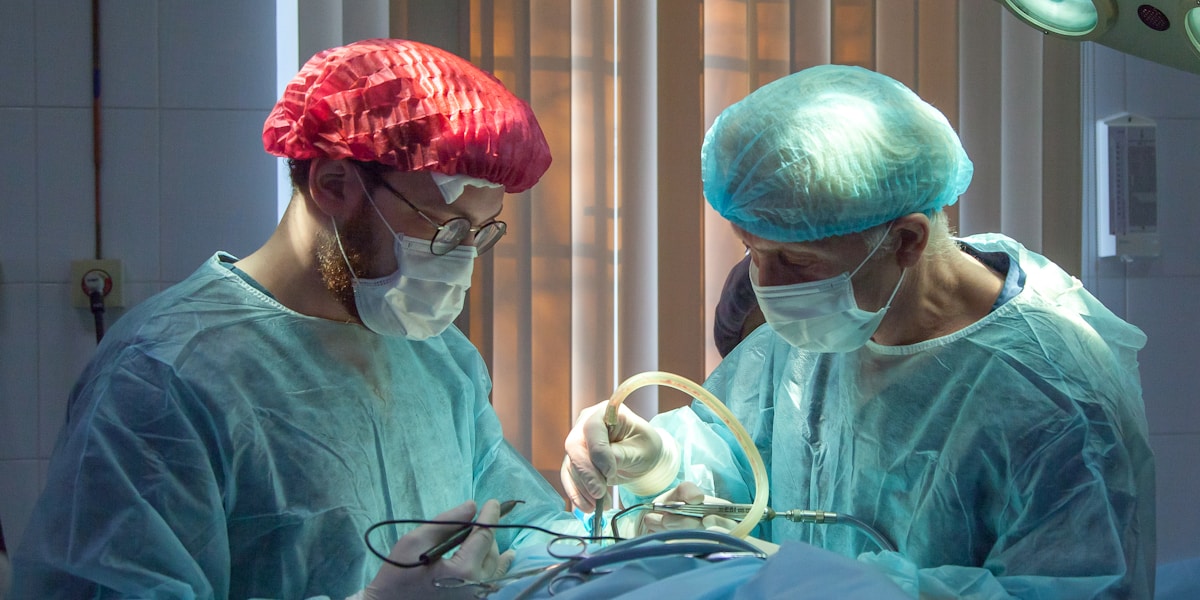
Rhinoplasty is typically performed under general anesthesia and takes 2-3 hours. The surgeon makes careful incisions either inside the nose or across the columella (the tissue between the nostrils), depending on the complexity of the case.
The bone and cartilage are then reshaped to achieve the desired look. This might involve:
- Removing excess bone or cartilage to reduce size
- Adding cartilage grafts to build up certain areas
- Straightening a deviated septum for improved breathing
- Refining the nasal tip
- Narrowing the nostrils

Recovery: What Teens and Parents Should Expect
Recovery from rhinoplasty requires patience and commitment. Teens need to understand that they’ll need to take a break from their normal activities, and that can feel challenging during the school year or sports season.
The First Week
The initial days after surgery are the most intense. Expect:
- Swelling and bruising around the nose and eyes
- A splint on the nose for about a week
- Nasal congestion and the need to breathe through the mouth
- Mild to moderate discomfort managed with prescribed medication
- Sleeping with the head elevated
Most teens can return to school after about a week, though they’ll still have visible bruising and swelling.
The First Month
By week two, most of the dramatic swelling has subsided. However, restrictions continue:
- No contact sports or activities that could impact the nose
- No heavy lifting or strenuous exercise
- Avoiding glasses that rest on the nose bridge
- Being gentle when washing the face
- Staying out of direct sunlight
Long-Term Healing
Here’s what many people don’t realize: while you’ll see dramatic improvements within the first few weeks, the nose continues to heal and refine for up to a year or more. Subtle swelling, particularly around the tip, can persist for months. This requires patience, especially for teenagers who want immediate results.
Planning for Surgery
Timing is everything. Many families schedule rhinoplasty during summer break or winter holidays, giving teens ample recovery time before returning to school and activities. Plan for at least two weeks of downtime, with several more weeks of activity restrictions.
The Impact on Self-Esteem and Confidence
When performed for the right reasons at the right time, teenage rhinoplasty can have profoundly positive effects. Studies consistently show high satisfaction rates among teens who undergo the procedure with proper counseling and realistic expectations. Much like other facial enhancement procedures, the psychological benefits can be significant.
Many patients report:
- Increased confidence in social situations
- Greater comfort with their appearance in photos
- Relief from years of self-consciousness
- Improved breathing function (when structural issues are addressed)
However, it’s essential to set realistic expectations. Rhinoplasty can enhance appearance and boost confidence, but it won’t solve every problem or completely transform a teen’s life. The surgery works best when it’s part of a healthy self-image, not a desperate attempt to achieve perfection.
Choosing the Right Surgeon
Not all plastic surgeons have the same level of experience with teenage patients or rhinoplasty. This procedure demands specialized skill, particularly when working with younger patients whose faces are still maturing.
Look for these qualifications:
- Board certification by the American Board of Plastic Surgery
- Extensive experience with rhinoplasty specifically, not just general plastic surgery
- Experience with teenage patients and understanding of adolescent development
- A strong before-and-after portfolio showing natural-looking results
- Clear communication style that makes both parents and teens comfortable
With over 25 years of experience in cosmetic surgery, Dr. Trenton Jones has helped countless teens achieve their aesthetic goals while prioritizing safety and natural-looking results.
Addressing Common Concerns and Questions
Will My Teen’s Nose Look “Fake”?
One of the biggest fears parents and teens have is ending up with an obviously surgical appearance. The goal of modern rhinoplasty is to create a nose that looks natural and harmonious with the rest of the face. A skilled surgeon won’t create a “cookie-cutter” nose but rather enhance the teen’s unique features.
What If My Teen Changes Their Mind Later?
This is why emotional maturity and stable motivation matter so much. While revision rhinoplasty is possible, it’s more complex and should be avoided if possible. Thorough counseling before surgery helps ensure the teen is truly ready for this permanent change.
Is It Safe?
When performed by a board-certified plastic surgeon in an accredited facility, rhinoplasty is very safe. Complications are rare, especially in healthy teenagers. However, as with any surgery, there are risks, which will be thoroughly discussed during the consultation.
How Much Does Teenage Rhinoplasty Cost?
Costs vary based on the complexity of the procedure, geographic location, and surgeon’s experience. Most insurance plans don’t cover cosmetic rhinoplasty, though if there’s a functional component (like correcting breathing problems), partial coverage might be possible. During your consultation, you’ll receive a detailed cost breakdown and can discuss financing options.
Alternative Options to Consider
Surgery isn’t always the answer, especially for younger teens or those with minor concerns. Some alternatives include:
- Non-surgical rhinoplasty: Injectable fillers can temporarily address minor irregularities, though this isn’t typically recommended for teens
- Makeup techniques: Contouring can create the illusion of a different nose shape
- Waiting: Sometimes the face continues to mature and balance out on its own
- Counseling: Working with a therapist to address body image concerns
A consultation with Dr. Jones can help determine whether surgery is appropriate now or if waiting might be beneficial.
Moving Forward with Confidence
Deciding on rhinoplasty during the teenage years is a significant choice that requires careful consideration from both parents and teens. When the timing is right, the teen is emotionally prepared, and expectations are realistic, the results can be life-changing in the best possible way.
The key is approaching this decision thoughtfully:
- Have open, honest conversations about motivations and expectations
- Ensure physical and emotional maturity
- Choose a board-certified, experienced surgeon
- Understand the recovery process and commit to following it
- Remember that the goal is enhancement, not perfection
If you’re considering rhinoplasty for your teenager, the first step is scheduling a consultation. This gives you the opportunity to ask questions, discuss concerns, and determine if surgery is the right choice for your family.
Schedule Your Consultation with Dr. Trenton Jones
With over 25 years of experience in cosmetic and reconstructive surgery, Dr. Jones provides personalized care for teens and their families. Discover what’s possible with a comprehensive consultation at Cascade Cosmetic Surgery.
Call us at (801) XXX-XXXX or fill out our online form
